
 Jennifer M. Clancy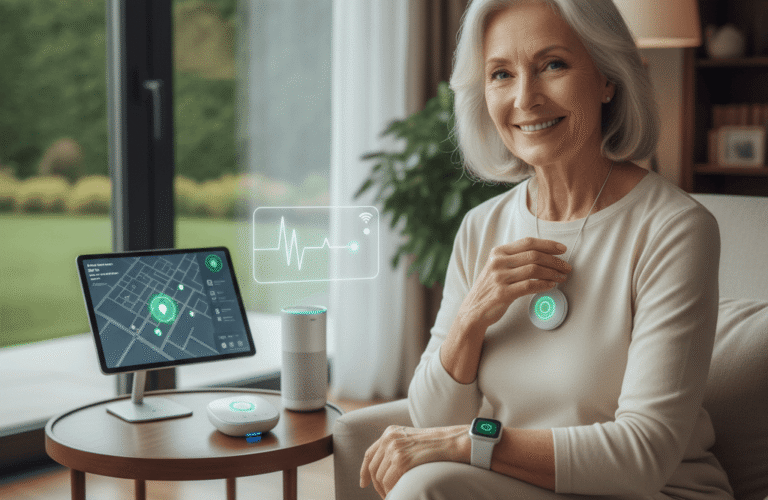
Ensuring the safety and well-being of our senior loved ones is a priority for many families today. As individuals age, their needs change, and maintaining independence can sometimes present new challenges. We want them to live full lives in their own homes for as long as possible.
In the past, safety measures for seniors were often basic, sometimes relying on simple emergency buttons. But with advancements in technology, the concept of senior security has evolved dramatically. Modern solutions now offer far greater peace of mind for both seniors and their families.
Today, I want to talk about how modern medical alerts for senior security have become a cornerstone of independent living. We will explore the various features and options available, understanding how they contribute to a safer environment.
The Evolving Landscape of Senior Safety
The need for reliable senior safety solutions has never been more pressing. Our aging population desires to remain in their homes, surrounded by comfort and familiarity. This desire creates a demand for systems that blend seamlessly into daily life, offering protection without intruding on independence.
Traditional emergency systems often felt cumbersome or stigmatizing for some seniors. They were often limited to a single button and a landline connection. These older systems, while useful in their time, simply do not meet the complexities of modern senior living. Today’s systems reflect a deeper understanding of senior needs and technological capabilities.
We are seeing a significant shift away from these basic tools. The focus now is on proactive and responsive technology. This new generation of medical alert systems supports a more active and independent lifestyle. It provides layers of protection that were once unimaginable.
Beyond the Traditional Button
I remember when a simple pendant was the extent of personal emergency response. It would only work when pressed and only within the home’s range. If someone fell in the garden or during a walk, the system offered no help.
Now, technology has made safety devices more powerful and discreet. This means seniors can enjoy greater freedom. They know help is always within reach, wherever they are. This shift is about giving dignity and confidence back to seniors.
Modern medical alerts for senior security are about empowering individuals. They allow seniors to maintain their routines and social activities without constant worry. This peace of mind is truly invaluable for everyone involved.
Key Features of Modern Medical Alerts for Senior Security
What truly sets modern medical alert systems apart are their advanced features. These are designed to cover a wider range of potential emergencies and provide faster, more targeted assistance. It is no longer just about pressing a button.
I have seen these systems evolve to include many helpful components. They ensure that help can arrive even when a senior cannot call for it themselves. This makes a huge difference in critical situations.
Here are some of the most impactful features:
- Automatic Fall Detection: Sensors detect sudden movements indicative of a fall. The system then automatically alerts emergency contacts or monitoring centers.
- GPS Location Tracking: For mobile units, GPS ensures that help can find a senior wherever they are, whether at home or out in the community.
- Two-Way Communication: Many devices allow direct voice communication with a monitoring center. This happens with a simple press of a button or automatically after a fall.
- Water Resistance: Devices are often water-resistant or waterproof. This allows seniors to wear them in the shower or bath where falls are common.
- Activity Monitoring: Some systems can track daily activity patterns. They can alert caregivers if there is an unusual lack of movement.
- Customizable Alerts: Caregivers can receive notifications for various events. This includes when a device leaves a certain area or if the battery is low.
GPS Tracking and Fall Detection
Let’s focus on two features that truly redefine senior safety. GPS tracking and automatic fall detection are game-changers. I have seen countless stories where these features made a critical difference.
Imagine a senior who takes a walk in their neighborhood and suddenly falls, unable to get up or reach their phone. With GPS tracking, emergency services know their exact location. This speeds up response times significantly. The system pinpoints their whereabouts with precision.
Automatic fall detection is equally vital. Many falls render a person unconscious or too injured to press a button. A system that detects a fall and automatically connects to help can save precious minutes. These minutes are often crucial for a positive outcome.
The combination of these technologies means seniors have a strong safety net. This is true both inside and outside their homes. It offers independence with essential protection built in.
Types of Modern Medical Alert Systems
The variety of modern medical alerts for senior security can seem a bit overwhelming. But understanding the main types helps simplify the choice. Each type caters to different needs and lifestyles.
I categorize them into a few broad groups. This helps families choose what works best for their specific situation. The best system is always the one that the senior will actually use consistently.
Think about where the senior spends most of their time and their activity level. This will guide your decision toward the most suitable option.
At-Home Systems vs. Mobile Devices
At-home systems are typically base units connected to a landline or cellular network. They usually pair with a wearable button. These are great for seniors who spend most of their time at home.
They offer excellent coverage within the house. Setup is usually simple. The voice communication range covers the entire home and often the immediate yard. Some models offer extended range too.
Mobile medical alert devices are small, portable units with built-in GPS. They use cellular networks to connect to monitoring centers. These are perfect for active seniors who are often on the go.
They provide protection wherever there is cellular service. This includes running errands, visiting friends, or traveling. They offer freedom and security that at-home systems cannot match. Many also feature fall detection and two-way communication directly from the device. This provides a complete safety solution for active individuals.
Choosing the Right System for Your Loved One
Selecting the ideal medical alert system requires careful consideration. It is not a one-size-fits-all decision. I always advise families to involve the senior in this process.
Their comfort and willingness to use the device are paramount. A system with all the latest features is useless if it sits unused on a nightstand.
Here are key factors I suggest you consider:
- Lifestyle and Activity Level: Is the senior mostly homebound or active outside? This determines if an at-home or mobile system is better.
- Health Needs: Does the senior have a history of falls or specific medical conditions? Fall detection might be a non-negotiable feature then.
- Budget: Systems vary in price, both for equipment and monthly monitoring. Look for transparent pricing with no hidden fees.
- Monitoring Service: Research the response times and training of the monitoring center staff. This is the heart of the service.
- Ease of Use: The device should be simple to operate, especially during an emergency. Look for clear buttons and voice prompts.
- Battery Life: For mobile units, a long battery life is crucial. It ensures the device is always ready when needed.
- Water Resistance: Falls often happen in bathrooms. A waterproof device offers protection where it is most needed.
A good starting point for research can be reading reviews and comparing options. For instance, reputable sources like Central Florida Lifestyle often publish helpful guides and comparisons of top-rated medical alert systems for seniors. This helps you narrow down choices based on expert opinions and user experiences.
Integration with Smart Home Technology and Care Networks
The concept of senior safety extends beyond a single alert device. Modern medical alert systems are increasingly integrating with broader smart home technology. This creates a more connected and responsive care environment.
I have observed how these integrations provide even greater security. They also offer a more comprehensive view of a senior’s well-being. This networking of devices can truly ease the minds of family caregivers.
Imagine a system where motion sensors, smart lighting, and door alarms work together. They can trigger alerts if unusual activity is detected. For example, if no motion is sensed by late morning, an alert can be sent. This kind of integration turns a house into a smart, safety-conscious home.
These systems can also link directly with family care networks. Caregivers receive instant notifications on their smartphones. This includes fall alerts, low battery warnings, or even reminders for medication. This allows for immediate response and proactive care planning. It fosters a sense of collaborative care.
The Future of Senior Safety Technology
The evolution of modern medical alerts for senior security is far from over. I believe we will see even more innovative developments in the coming years. Artificial intelligence and machine learning are already starting to play a significant role.
Consider AI-powered systems that learn a senior’s daily routine. They could then detect subtle deviations that might indicate a problem before an emergency occurs. Predictive analytics could identify patterns that suggest an increased risk of falls. This allows for interventions to prevent incidents rather than just react to them.
We may see devices that offer more personalized health monitoring. They could track vital signs, sleep patterns, and activity levels more thoroughly. This data could then be shared securely with caregivers and healthcare providers. It provides a holistic picture of a senior’s health. Wearable technology will likely become even more discreet and integrated into everyday items. This removes any perceived stigma. The goal is to make safety devices feel like a natural part of living independently.
The future points towards systems that are not just reactive but truly predictive and preventative. They will offer a seamless blend of technology and compassionate care. This will allow seniors to live safer and more fulfilling lives.
Investing in Peace of Mind: A Modern Medical Alerts for Senior Security Conclusion
Modern medical alerts for senior security represent much more than simple gadgets. They are investments in peace of mind, independence, and the dignity of our aging loved ones. As I have discussed, these systems offer a wealth of features that go far beyond traditional emergency buttons. They provide robust protection both at home and on the go. Features like automatic fall detection, GPS tracking, and two-way communication are not just conveniences. They are vital safeguards that can significantly improve response times and outcomes during critical moments.
Choosing the right system involves understanding the senior’s lifestyle and specific needs. It also involves evaluating the different types of systems available. This includes considering how they integrate with smart home technology and existing care networks. The benefits extend beyond immediate emergencies. These systems foster greater confidence in seniors and reduce worry for their families. They allow seniors to maintain their routines and independence with an invisible safety net.
The future promises even more sophisticated solutions. This means continuous improvement in senior safety. I encourage you to research the options available today and consider how a modern medical alert system can enhance the safety and quality of life for the seniors in your life. Taking this step can provide invaluable security and reassurance for everyone. It is a proactive choice for a safer tomorrow.


